
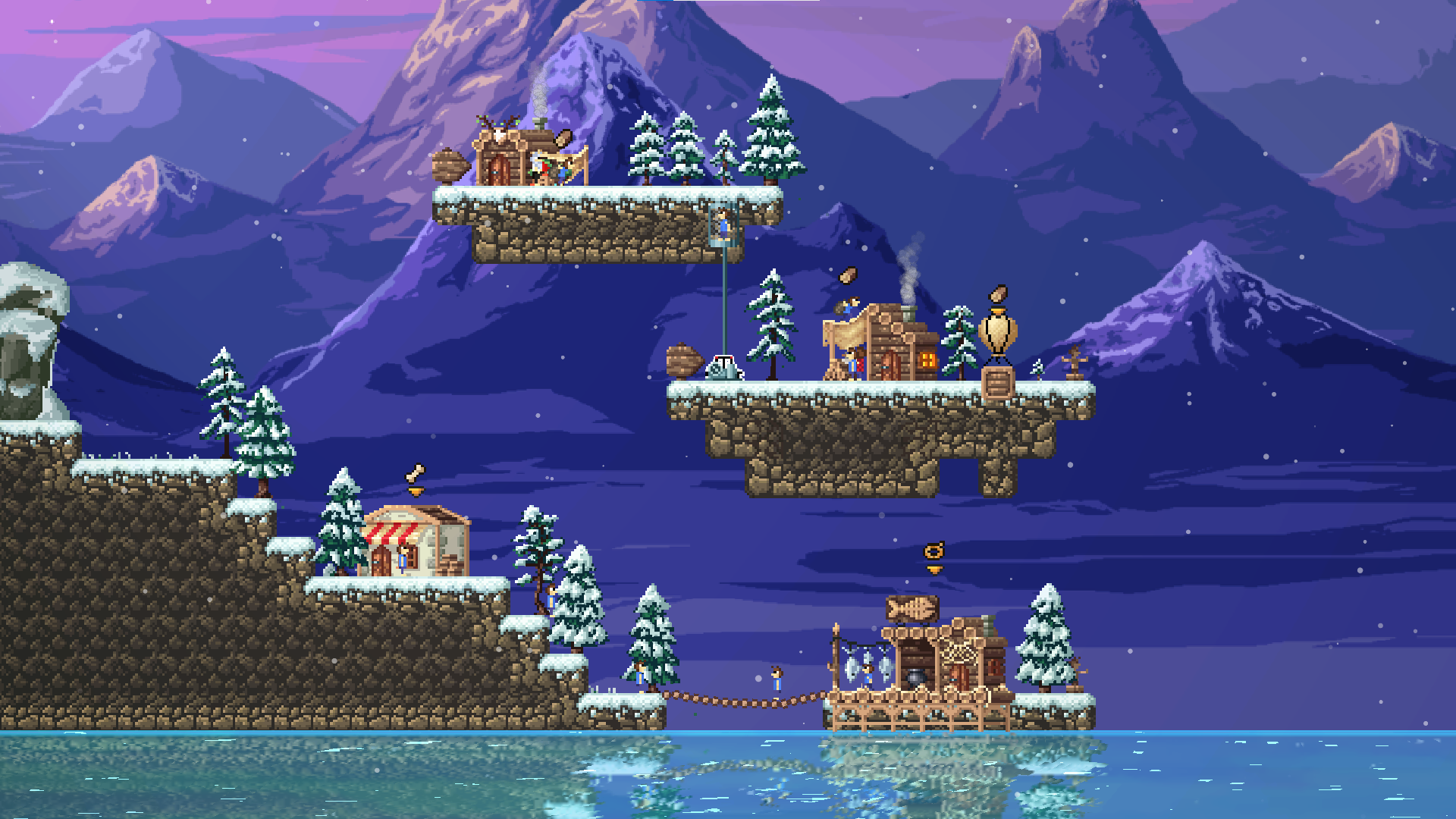
Hello there, Ariano here.
When I describe Craftlings, I often mention Lemmings and The Settlers. Not because Craftlings tries to reproduce either game, but because both helped shape the way I think about small workers, readable systems, and the pleasure of watching a plan unfold.
A character you cannot simply order around
In a direct-control strategy game, the obvious answer is often to select a unit and tell it exactly where to go. Indirect control asks a different question: what can I change in the environment so the character does the right thing by themselves?
That question is what I carried forward from Lemmings. A route, a blocker, a change in elevation, or one well-placed piece of infrastructure can redirect the whole flow. The worker is not a cursor. The worker is part of the problem.
Where Craftlings takes another path
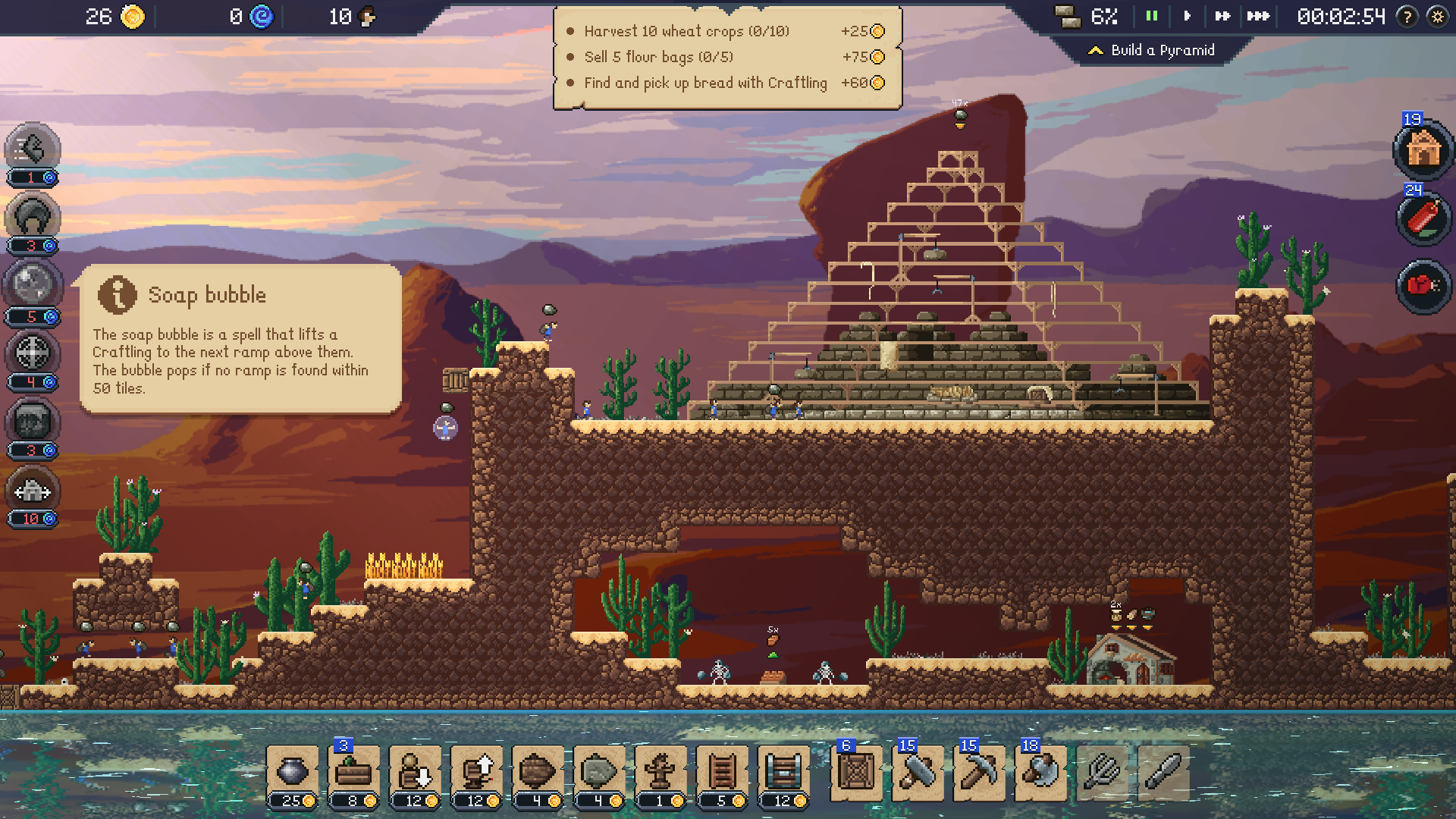
Craftlings is built around scenarios rather than a free-form sandbox. But reaching an exit is not the whole objective. The settlement has to gather resources, move them through the level, process them in the correct buildings, and deliver the result where it is needed.
That makes the system repeat. A route that works once may still create a bottleneck when several workers use it. A production building may be in the correct place but starved of material. Solving the level means understanding the full chain.
The Settlers connection: logistics you can watch
What I loved in classic settlement games was that goods did not simply become numbers. You could watch workers carry resources from one place to another. The economy had a physical shape.
Craftlings brings that visibility into a puzzle structure. If production stops, you can trace the route with your eyes, find the interruption, and rebuild. That is why the game combines a Lemmings-like indirect-control idea with the visible logistics many players remember from The Settlers.
Designed to be understood
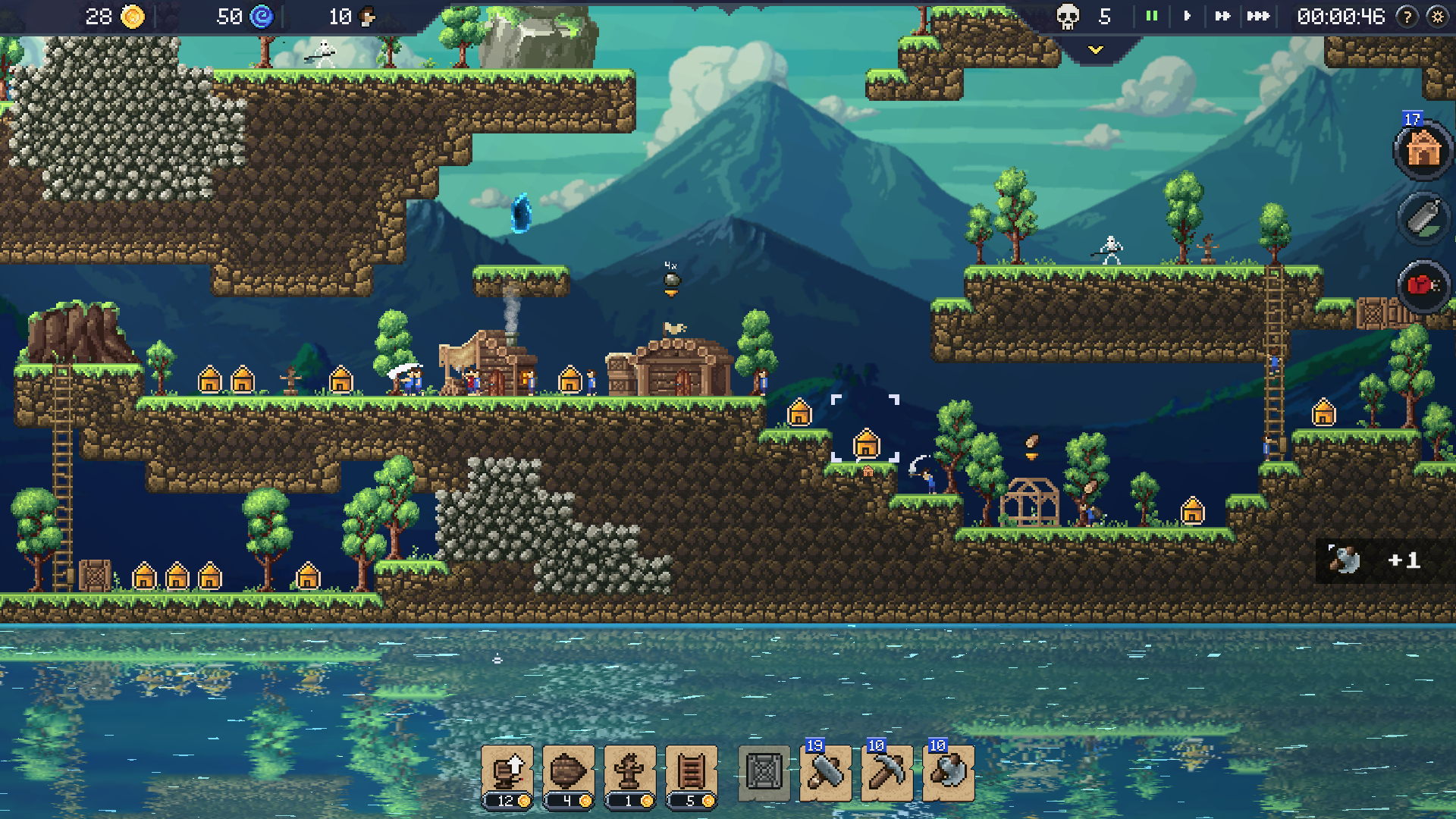
The goal is not to hide the system behind complexity. It is to make complexity readable. Every worker, ladder, filter, building, and carried resource should give you evidence about what is happening.
The best moment is when a settlement that looked chaotic begins to make sense—and then starts working because of a route you designed.
What this means in play
Lemmings-like idea
Influence moving characters by shaping their environment instead of issuing direct orders.
Settlement-game visibility
Watch resources travel between workers and buildings instead of disappearing into an abstract menu.
Craftlings structure
Solve handcrafted logistical scenarios with objectives, bottlenecks, and multiple possible approaches.
See Craftlings in action
The official Steam content remains blocked until you choose to load it.